



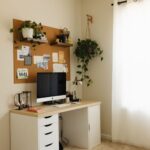


Creating a relaxing home office environment is essential for maintaining focus, reducing stress, and boosting productivity—especially as more people work remotely. A well-designed workspace can transform how you feel throughout the day, making it easier to stay motivated and comfortable. If you’re ready to improve your home office, here are some practical tips to help you create a calming and efficient environment.
Choose the Right Location
The first step in designing your home office is selecting a spot that encourages concentration and separates work from relaxation.
– Quiet Area: Find a space with minimal distractions and noise. If possible, avoid high-traffic zones like living rooms or kitchens.
– Natural Light: Choose a location with good access to sunlight. Natural light improves mood and reduces eye strain.
– Privacy: If you share your home with others, pick a spot where you can close a door or create visual boundaries.
Use Comfortable and Functional Furniture
Furniture plays a big role in comfort and productivity. Investing in the right pieces will make your workday more enjoyable.
– Ergonomic Chair: A chair with lumbar support helps prevent back pain. Adjustable height and armrests add comfort.
– Desk Size: Ensure your desk fits your equipment and provides enough space to work freely.
– Monitor Placement: Position your computer screen at eye level to reduce neck strain.
– Footrest: Consider using a footrest if your feet don’t reach the floor comfortably.
Incorporate Calming Colors and Decorations
Colors and decor can influence your mood and mindset while working.
– Soft Colors: Shades like light blues, greens, or neutrals create a soothing atmosphere.
– Minimal Clutter: Keep decorations simple to avoid overwhelming the space.
– Personal Touches: Add a few items that inspire you, such as artwork, photos, or plants, but avoid clutter.
– Inspiring Wall Art: Choose motivational quotes or calming images that motivate and relax.
Organize and Declutter Efficiently
A tidy workspace helps reduce stress and keeps you focused.
– Storage Solutions: Use shelves, drawers, and organizers to store supplies and documents.
– Declutter Daily: Spend a few minutes each day clearing your desk and filing away papers.
– Cable Management: Bundle cables and cords to keep your workspace neat and safe.
– Digital Organization: Maintain your computer files and emails to reduce digital clutter.
Enhance Lighting and Air Quality
Lighting and air quality impact energy levels and comfort.
– Layered Lighting: Combine natural light, overhead lights, and task lighting like desk lamps.
– Adjustable Lighting: Use dimmers or adjustable lamps to control light brightness.
– Air Circulation: Open windows when possible or use an air purifier to maintain fresh air.
– Add Plants: Indoor greenery can improve air quality and add a sense of calm.
Set Up Boundaries for Work-Life Balance
Separating work from personal time is crucial when working from home.
– Designate Work Hours: Create a routine with fixed start and end times.
– Defined Workspace: Use your home office only for work to help your brain associate the space with productivity.
– Signal Boundaries: Use signs or closed doors to indicate when you’re busy.
– Take Regular Breaks: Step away from your desk at intervals to prevent burnout.
Integrate Technology Wisely
Technology can either enhance or hinder your workflow.
– Reliable Equipment: Use a dependable computer, headset, and internet connection.
– Noise-Canceling Headphones: These can reduce distracting sounds and improve concentration.
– Productivity Apps: Utilize tools for task management, time tracking, and calendar scheduling.
Personal Comfort and Wellness Tips
Taking care of your well-being is a key part of a relaxing office.
– Hydration: Keep a water bottle nearby to stay hydrated.
– Stretching: Take short breaks to stretch or move to reduce stiffness.
– Mindfulness: Try simple breathing exercises or meditation to calm your mind.
– Temperature Control: Adjust heating or cooling to a comfortable level.
—
Designing a relaxing home office environment doesn’t require a complete overhaul. Small, thoughtful changes can create a space that supports your well-being and productivity. By focusing on comfort, organization, lighting, and boundaries, you’ll set yourself up for success in your work-from-home journey.



More Stories