




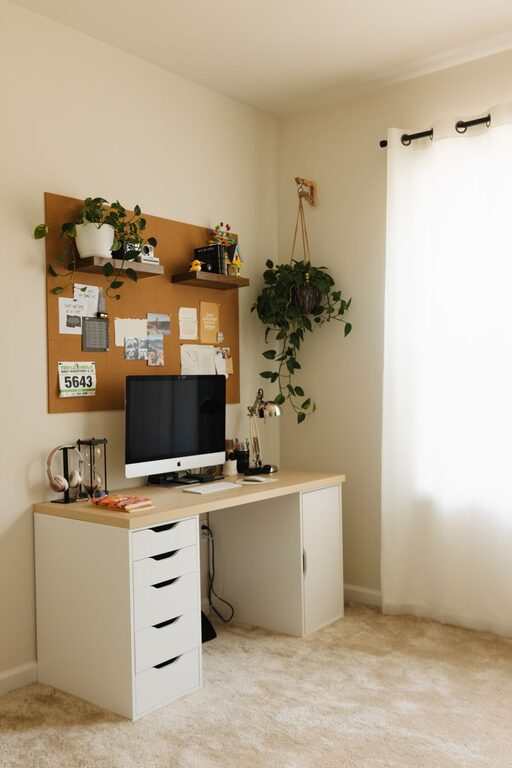
Creating a relaxing home office environment is essential for staying productive and maintaining well-being while working from home. A cluttered or uncomfortable workspace can increase stress and reduce focus, but with a few thoughtful adjustments, you can transform your home office into a peaceful haven. Whether you have a dedicated room or a small corner, these tips will help you design a calming office that supports your work and comfort.
1. Choose the Right Location
The first step to creating a relaxing home office is selecting an ideal location. If possible, choose a space that is away from household noise and distractions. Natural light is a huge bonus, so try to set up near a window where you can enjoy daylight. If natural light isn’t an option, invest in good quality artificial lighting to reduce eye strain and brighten the room.
Consider these aspects of location:
– Adequate space to move and organize your materials
– Away from high-traffic areas like the kitchen or living room
– Near a window or with easy access to daylight and fresh air
– Quiet and private enough for conference calls or deep focus
2. Invest in Comfortable Furniture
Comfort is key to a relaxing home office environment. An ergonomic chair that supports your posture can prevent back pain and fatigue. Similarly, a desk at the right height will help you maintain good alignment while typing or writing.
Tips for furniture:
– Use an adjustable chair with lumbar support
– Pick a desk size that fits your work essentials without overcrowding
– Consider a standing desk or desk converter to alternate positions
– Add a footrest if your feet don’t comfortably reach the floor
3. Keep Your Space Organized and Clutter-Free
Clutter can elevate stress and distract you from work. Organizing your office supplies and paperwork helps clear your mind and increases efficiency.
Ways to stay organized:
– Use shelves, filing cabinets, or storage boxes to keep items tidy
– Keep only daily essentials on your desk
– Utilize cable organizers to avoid tangled cords
– Schedule regular tidy-up sessions to maintain order
4. Personalize Your Workspace Thoughtfully
Personal touches make your office feel inviting and uplifting. Add items that bring you joy or inspire creativity, but avoid overcrowding the space.
Ideas to personalize:
– Hang artwork or photos you love on the walls
– Place a small plant or two to bring nature indoors
– Use color schemes that soothe you, such as blues, greens, or neutrals
– Incorporate a favorite mug or desk accessory
5. Control Noise Levels
Excess noise can disturb concentration and increase stress. Depending on your environment, you can reduce noise or create pleasant background sounds.
Noise control tips:
– Use noise-canceling headphones or earplugs during work periods
– Add soft furnishings like rugs and curtains to absorb sound
– Play gentle music, white noise, or nature sounds to mask distractions
– Communicate with family or housemates about quiet times
6. Optimize Lighting
Proper lighting sets the tone for your home office and affects your alertness and mood.
Lighting tips:
– Use layered lighting — combine ambient, task, and accent lights
– Position your desk lamp to avoid glare on your screen
– Select daylight bulbs to mimic natural light and keep energy up
– Dim lights in the evening to help you wind down if you work late
7. Incorporate Nature and Fresh Air
Bringing elements of nature inside helps reduce stress and improve air quality.
How to add nature:
– Place potted plants that suit indoor conditions and require low maintenance
– Open windows regularly to let in fresh air and circulate oxygen
– Use natural materials like wood and stone for decor or furniture
– Consider scents like lavender or eucalyptus with essential oil diffusers
8. Set Clear Boundaries and Routines
A relaxing home office also depends on your habits. Defining work hours and breaks helps separate work from home life.
Tips for boundaries and routines:
– Set a consistent start and finish time for your workday
– Take regular short breaks to stretch and relax your eyes
– Create a routine that signals the beginning and end of work, such as a morning walk or evening shutdown process
– Avoid checking work emails outside designated hours
Conclusion
Designing a relaxing home office environment is about creating a space that supports your productivity while nurturing your well-being. By focusing on location, comfort, organization, and ambiance, you can build a workspace that inspires focus and calm every day. Remember, your home office should work for you — so take the time to customize it according to your needs and preferences. With these tips, you’ll be on your way to a more enjoyable and efficient work-from-home experience.


More Stories
Tips for Creating a Cozy and Inviting Home Workspace
Tips for Creating a Cozy and Productive Home Office Space
Tips for Organizing a Productive Home Office Space