




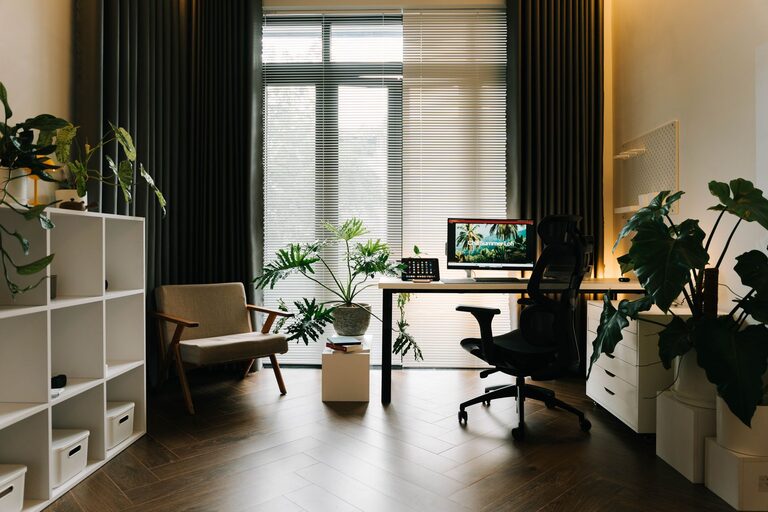
Creating a comfortable and functional workspace at home is essential for staying productive and motivated, especially in today’s world where many people work remotely or spend significant time on personal projects. Whether you have a dedicated room or just a small corner, there are several strategies you can use to make your workspace both cozy and efficient. In this post, we’ll share tips on how to design a home workspace that feels inviting while meeting your daily needs.
Why a Cozy and Functional Workspace Matters
A workspace that blends comfort with functionality can enhance your focus, reduce stress, and help maintain a healthy work-life balance. When your workspace feels pleasant and supports your tasks, it becomes easier to settle in for longer periods without getting distracted or uncomfortable.
Choosing the Right Location
Find a Quiet Spot
Select a part of your home that is relatively quiet and away from high-traffic areas. This helps minimize interruptions and distractions, creating an environment where you can concentrate.
Consider Natural Light
Whenever possible, choose a space near a window. Natural light not only improves mood but can reduce eye strain during long work sessions.
Allocate Enough Space
Make sure there’s enough room for your desk, chair, and storage, along with some breathing room. A cramped area can lead to discomfort and clutter.
Selecting Furniture for Comfort and Style
Invest in a Good Chair
A supportive chair with adjustable height and lumbar support is key to maintaining good posture and avoiding back pain.
Choose the Right Desk
Pick a desk that fits your work style. Whether you prefer a simple table or an adjustable standing desk, prioritize enough surface area for your computer, notebooks, and other essentials.
Add Storage Solutions
Shelves, drawers, or filing cabinets help keep your workspace organized and items within reach without overcrowding your desk.
Personalizing Your Workspace
Use Calming Colors
Soft, neutral colors or pastels can create a relaxing atmosphere. Consider painting the wall behind your desk or adding colored decor elements.
Add Plants
Small indoor plants brighten the space and improve air quality, contributing to a more inviting environment.
Display Inspiring Items
Photos, artwork, or motivational quotes can give you a boost during challenging tasks without making your space cluttered.
Organizing for Efficiency
Declutter Regularly
Keeping the workspace tidy helps you focus better. Schedule a weekly clean-up to put away unnecessary items and clear your desk.
Use Desk Organizers
Trays, pen holders, and cable management tools keep your essentials neat and easily accessible.
Create Zones
Designate specific areas for different activities, such as computer work, brainstorming, or reading. This separation helps maintain workflow.
Lighting Tips for Comfort and Productivity
Layer Your Lighting
Combine ambient lighting with task lights, like a desk lamp, to ensure your workspace is well-lit without glare.
Use Adjustable Lighting
Dimmable lamps or lights with adjustable colors let you customize brightness to suit the time of day and your activity.
Incorporating Technology Wisely
Keep Cords Managed
Use cable organisers or clips to avoid tangles and keep the area looking neat.
Choose Wireless Options
When possible, opt for wireless keyboards, mice, and headphones to reduce clutter.
Set Up Ergonomically
Position monitors at eye level and use keyboard trays to maintain a healthy posture throughout your workday.
Adding Comfort and Practical Touches
Use a Soft Rug or Mat
A cushioned rug under your desk can add warmth and reduce fatigue if you stand or move around frequently.
Keep Essentials Within Reach
Items like a water bottle, notebook, or charger should be easy to grab without interrupting your workflow.
Control Temperature and Ventilation
A small fan, heater, or air purifier can help maintain a comfortable atmosphere depending on your climate.
Maintaining Boundaries Between Work and Home Life
Schedule Breaks
Set alarms or reminders to take regular breaks, stretch, and rest your eyes.
Close the Workspace
If possible, have a way to physically close off your workspace at the end of the day to signal the shift from work to personal time.
Use Noise-Canceling Headphones
These can help block out home noises and improve concentration during work hours.
Final Thoughts
Crafting a cozy and functional home workspace takes some planning and thought, but the benefits are worth it. By choosing the right location, investing in quality furniture, personalizing the space, and maintaining organization, you’ll create an environment that supports both comfort and productivity. Remember, your workspace should reflect your needs and style—making it a place you enjoy spending time in will naturally help you perform your best.

More Stories